
Learning & Development
Competency, built deliberately.
Training courses are designed for ongoing professional development, so participants can advance from one level to the next — on their own timetable, in any discipline.
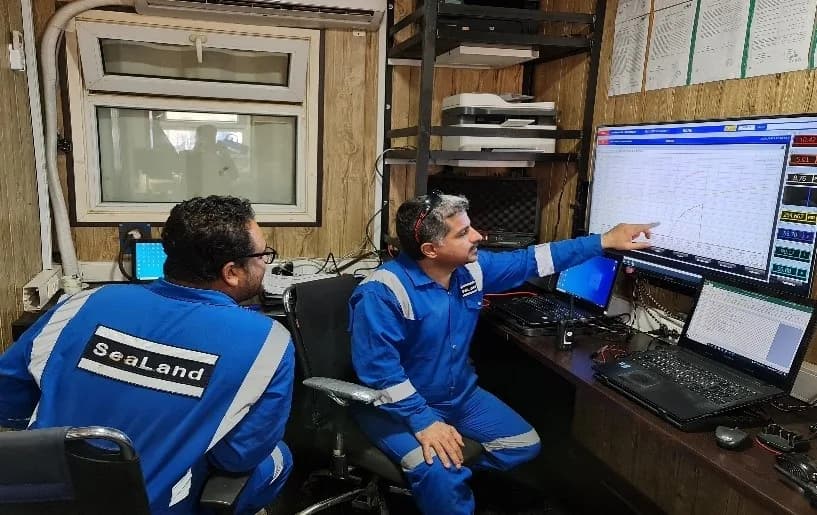
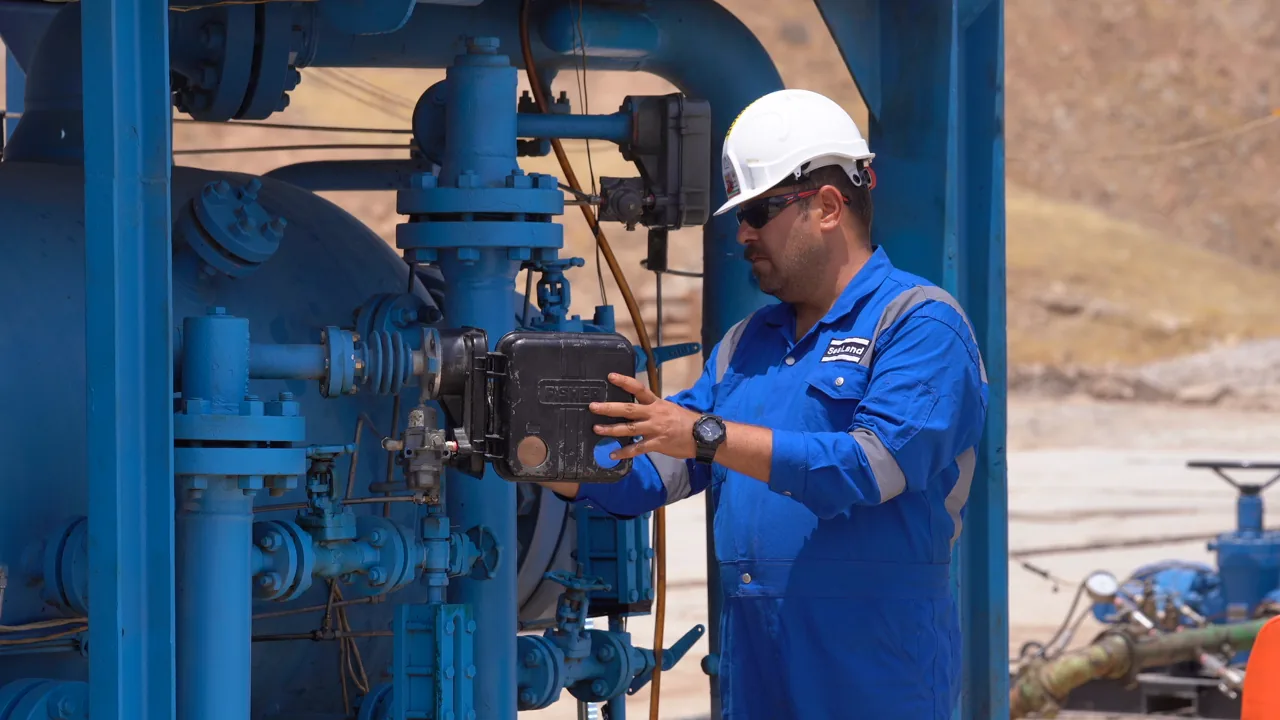
An online system tied to our QHSE objectives
We are committed to attracting, developing and retaining a highly competent, diverse workforce. We believe innovative and creative minds, engaged people and diverse perspectives are the essential components required to overcome our business challenges.
To support that, we developed an online training system that ensures our personnel competencies meet the requirements needed to achieve our quality, health, safety and environmental objectives — assessed through SKATE: skills, knowledge, attitude, training and experience.
Why it matters
The importance of training and development in the workplace.
Training is a prime opportunity to expand the knowledge base of every employee. It costs money, and it takes people away from the job — but the benefits to both the company and the individual make the cost and the time a worthwhile investment.
Addressing weaknesses
Most employees have some weakness in their workplace skills. A training programme strengthens exactly those skills, and brings everyone to a comparable level of knowledge. That reduces weak links — people can cover for one another, work in teams, or work independently without constant supervision.
Improved performance
A trained employee performs their job better and is more aware of safety practices and correct procedures. Confidence grows with understanding, which pushes people to perform better and contribute new ideas. Continuous training also keeps our crews current with changing industry standards.
Consistency
A structured programme gives every employee a consistent experience and shared background knowledge — particularly on basic policies and procedures, including safety, discrimination and administrative tasks. Regular training ensures all staff have exposure to the same information.
Employee satisfaction
People with access to development have an advantage over those left to seek training out on their own. The investment shows employees they are valued and creates a supportive workplace, which in turn raises satisfaction with the job itself.
Effects on performance
What training actually returns.
SeaLand reaps the rewards of training because well-trained people raise productivity and profit. Investing in training improves retention, customer satisfaction and creativity — it saves labour by cutting time lost to problem-solving, and saves money over the long run by producing a better workforce.
Saving time and costs
Poor performance often follows when people are unsure what they should do, how to do it, or why it must be done a particular way. Training explains the detail of the job, which cuts duplicated effort, time spent correcting mistakes and problem-solving after the fact. Better performance also reduces turnover, lowers maintenance costs through fewer equipment breakdowns, and needs less supervision.
Satisfaction and morale
Job satisfaction and self-esteem generally rise once employees understand how the company works. Training lifts morale and loyalty — people who believe their employer offers genuine training opportunities are markedly less likely to leave within a year than those with poor ones.
Expectations and needs
Training only builds commitment if it meets employees' real expectations and needs. We are far more likely to retain people who see their training as relevant to their job, which means giving accurate information and clear communication about what the training is for. Training may be delivered internally by current employees or through an external company or consultant, depending on where the skills and time already exist.
Turnover costs
Keeping well-trained people pays off, because turnover is expensive. Separation costs include exit interviews, termination administration, severance and unemployment compensation. Replacement costs cover attracting applicants, interviews, testing, travel and relocation, pre-employment administration, medical examinations and supplying employment information — and the cost of replacing someone rises with their level.
Judging the need
Whether a programme will be effective depends on the circumstances — how many people are leaving, and why. Management weighs the increased workload that vacancies place on remaining employees, the stress and tension turnover creates, declining morale and the lost productivity that follows. In some cases covering occasionally with temporary workers is the cheaper answer.
How we build a programme
Developing an effective employee training programme.
A programme only delivers if it is carefully planned and properly implemented. A clear understanding of policy, job function, goals and company philosophy raises motivation, morale and productivity — so keeping the end goal in view throughout development and rollout is what makes a programme clearly defined and effective.
Define needs and goals
- Identify the weak areas where training would genuinely help — operating machinery or equipment, processes, time management, conflict resolution, harassment or company policy.
- Set the short- and long-term goals of the business, and identify the training that would meet them: higher productivity, better customer service, improved employee relations.
- Develop individual training modules against those defined needs and goals, either bought in or built by a member of staff qualified to develop training.
Identify people and plan
- Work out who benefits. Modules on company policy or time management suit everyone; skill-based training on a specific piece of equipment or job duty only benefits the people whose work depends on it.
- Set a regular schedule that meets the need within a defined time frame. Training everyone takes time, so plan around slow periods or outside operational hours to avoid disruption.
- Treat the cost and the downtime as an investment in the future of the business, because that is what they are.
Implement and improve
- Roll modules out in order of importance — if service quality or time management is the pressing issue, run those sessions first.
- Use a professional trainer or an experienced employee wherever possible; how the trainer interacts with the room is a major factor in whether the training lands.
- Use multi-media: slides, whiteboards and video alongside written material, with quizzes, Q&A, games or role-play to keep people involved.
- Collect written feedback on every session. The best programmes are the ones altered when the feedback says they should be.
- Make training part of every new employee's orientation from day one.
People
Innovative minds, engaged people and diverse perspectives are what get us past our hardest problems.
Next step
Ready to plan your next operation?
Share the well, the field and the scope. Our operations and engineering teams will scope the right package and crew.